

Migraine Treatments with Botox at CJA Aesthetics Clinics in Hampshire
Available across Hampshire and West Sussex
Living with chronic migraines can have a significant impact on every aspect of your life. Frequent headaches may affect your work, sleep, family life and overall wellbeing, leaving you feeling exhausted and frustrated.
CJA Aesthetics Clinics in Southampton, Portsmouth and Winchester offer professional Botox® treatments for chronic migraine - carried out by a qualified doctor.
If you experience 15 or more headache days each month, with at least half of those headaches having migraine features such as throbbing pain, nausea, sensitivity to light or sound, or visual disturbances, you may be suffering from chronic migraine.
A medical assessment with your GP or specialist is essential to confirm the diagnosis and discuss the most appropriate treatment options.
Botox® has been licensed specifically for the treatment of chronic migraine since July 2010, offering many patients an effective way to reduce the frequency and severity of their headaches and improve their quality of life.
We offer video consultations or face-to-face consultations. Or you can call CJA Aesthetics on 023 8033 2429.

Understanding Chronic Migraine
Migraines are far more than ordinary headaches. They are a neurological condition that can cause a range of debilitating symptoms, including:
- Intense throbbing or pulsating head pain
- Nausea or vomiting
- Sensitivity to light, sound or smells
- Visual disturbances or aura
- Dizziness or difficulty concentrating
- Fatigue following the migraine attack
Chronic migraine is diagnosed when headaches occur on 15 or more days per month for at least three months, and at least eight of those days involve migraine symptoms. People with chronic migraine often find that their headaches interfere with work, social activities and sleep, leading to reduced productivity and increased stress or anxiety.
Because migraine symptoms can overlap with other medical conditions, it is important to seek professional medical advice before starting any treatment. At CJA Aesthetics, we work within a medically led framework to ensure that Botox® treatment is suitable for you.

How Botox® Can Help Chronic Migraine
Botox (botulinum toxin type A) is widely known for its cosmetic uses, but it is also an MHRA-approved medical treatment for chronic migraine. It is not currently licensed for episodic migraine, tension headaches or cluster headaches, so a correct diagnosis is essential.
Researchers believe that Botox works by blocking the release of certain neurotransmitters involved in pain signalling. By reducing the activity of these sensory pathways, the treatment may help prevent migraine attacks from developing or becoming as severe.
Unlike painkillers that are taken once a migraine has started, Botox® is used as a preventative treatment. The aim is to reduce:
- The number of headache days each month
- The frequency of migraine attacks
- The severity of symptoms
- The need for acute migraine medication
Many patients report that they are able to return to a more normal routine, with fewer interruptions caused by migraines.
What Happens During Treatment?
At your consultation, we will review your medical history, migraine symptoms and any previous treatments you have tried. This assessment helps determine whether Botox is an appropriate option for your condition.
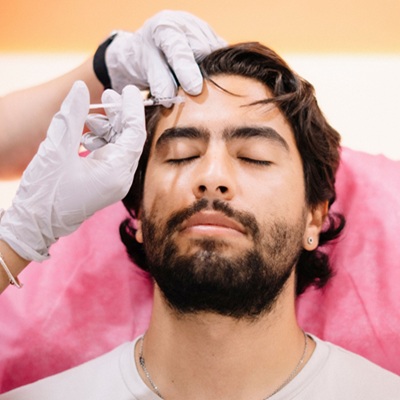
The treatment itself involves a series of small injections placed into specific muscles around the head, forehead, temples, back of the head, neck and shoulders. These injection sites are based on established migraine treatment protocols.
For chronic migraine, Botox is usually administered approximately every 12 weeks. This schedule is recommended because the effects gradually wear off as nerve activity returns.
Some patients notice an improvement after their first treatment, while others achieve better results after two or three treatment cycles. Regular treatment helps maintain a consistent reduction in headache frequency and allows your practitioner to monitor your progress carefully.
Treatment appointments are usually completed in around 20–30 minutes and are well tolerated with minimal discomfort. Most clients do not require any significant downtime and can resume normal activities the same day, although strenuous exercise is usually best avoided for 24 hours.